Posted by-Torres Broch
Refractive Lens Exchange (RLE) is a safe and reliable vision rehabilitative treatment that is frequently made use of for individuals that can not get LASIK or other laser vision correction treatments.
Throughout RLE, the all-natural lens of the eye that has come to be rigid and can no more focus is removed and also replaced with a manmade artificial dental implant. This allows the person to see clearly at both near and far distances without glasses or call lenses.
LASIK vs. RLE
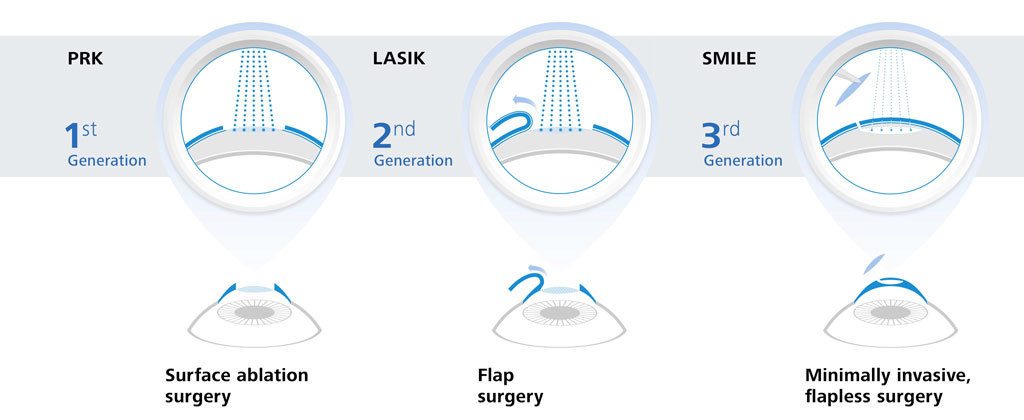
LASIK, PRK and also various other laser vision improvement treatments boost refractive errors like nearsightedness (nearsightedness), farsightedness (hyperopia) or astigmatism by improving the cornea. These treatments also remove or minimize a patient's demand for glasses or call lenses.
Refractive lens exchange, or RLE, is a different approach to elective refractive surgery than laser vision improvement. https://www.stgeorgeutah.com/news/archive/2021/04/07/avm-spc-optometrist-dr-jason-w-hauck-helps-patients-of-all-ages-enjoy-clear-vision-at-zion-eye-institute/ changes the eye's natural lens with a man-made intraocular lens, or IOL.
This treatment can eliminate the demand for glasses or contacts and avoid future cataract advancement. It is a terrific choice for clients who do not qualify for LASIK or who are older and have presbyopia, or age-related fuzzy near vision.
During RLE, your eye's all-natural lens is gotten rid of and also replaced with an artificial IOL that provides clear vision at a single focusing range. The choice of IOL relies on your therapy assumptions and also a Mittleman Eye professional will certainly assist you select the best kind for your special aesthetic requirements.
RLE vs. PRK
RLE (Refractive Lens Exchange) is a more recent kind of vision adjustment surgery that can be much more efficient for some people than LASIK or PRK. It can also assist boost a patient's lifestyle by lowering the need to wear glasses.
RLE can be a terrific option for people who have a high level of nearsightedness, hyperopia or astigmatism that would make them ineligible for LASIK or PRK. https://writeablog.net/val9terina/cataract-surgery-is-a-safe-reliable-way-to-remove-the-gloomy-lens-of-your is likewise a great option for patients that have age-related vision issues, like presbyopia or cataracts.
Refractive Lens Exchange is generally executed for patients over 40 and who have a modest to high degree of refractive error. It is also beneficial to people that have a thin cornea since they do not require to bother with the flap of their cornea being harmed by LASIK.
RLE vs. Monovision
Refractive lens exchange, or RLE, is a risk-free as well as effective vision modification treatment that eliminates your eye's all-natural lens, and changes it with an artificial intraocular lens (IOL). It is frequently used to deal with presbyopia, or the age-related obscuring of up-close vision.
relevant site who have actually not been prospects for LASIK as a result of their corneal thickness may be optimal for RLE. This treatment also makes patients unsusceptible to establishing cataracts, a common eye disease that creates clouding of the natural lens.
As a choice to monovision LASIK, refractive lens exchange is an exceptional solution for older adults who require reading glasses. This procedure is also beneficial for people with extremely slim corneas that are not candidates for laser eye surgery.
RLE vs. Monofocal IOLs
Refractive Lens Exchange (RLE) is a terrific option for people who do not get LASIK or for those that intend to enhance their vision at several distances. Throughout RLE, your all-natural lens is replaced with an intraocular lens (IOL) of your choice based on your requirements as well as choices.
For patients that want clear vision at one distance just, a monofocal IOL is suggested. Utilizing the strategy called micromonovision, a monofocal IOL can be placed that deals with distance and also near vision at the same time.
Alternatively, individuals can pick a multifocal IOL to give clear vision at numerous distances at a solitary emphasis factor. Multifocal IOLs are additionally referred to as extended depth of focus or accommodating IOLs.
During the RLE procedure, your all-natural lens is removed through a tiny cut less than 3mm as well as replaced with an IOL that is placed via the very same opening. Your eye will heal quickly as well as you must have the ability to return to typical tasks within a week of surgical treatment.